

Successfully defending an organization against cybercrime is not just about knowing how threat actors might attack. Knowing who is behind an attack is just as important. But pinning down a definitive identity in a dark web environment that is entirely anonymous is mind-numbingly difficult. Making matters worse is the fact that threat actors constantly cycle through disposable pseudonyms. They also operate across fractured networks and a litany of communication channels.
To put it bluntly, threat actors go to great lengths to eliminate their footprints. But cybersecurity analysts are not left out in the cold here. Thanks to modern threat actor profiling, a practice that has evolved beyond simple IP tracking and malicious file indicators, analysts can do a deep dive into the behavioral footprints threat actors can’t help but leave behind. Perhaps the two most important are forum sentiment and distinct coding style.
Deciphering Forum Sentiment
Analyzing and deciphering forum sentiment leans into the human element. Think of it this way: dark web forums and chatrooms are highly competitive spaces. Hackers live and die based on their reputation in these environments. They are where hackers meet to collaborate, debate methodologies, and even trade tools.
A skilled analyst can pay attention to what happens in these spaces, evaluating the natural language patterns and emotional undertones displayed during threat actor interactions. This is what is known as sentiment analysis. DarkOwl, an expert in threat actor profiling, says that sentiment analysis is an excellent tool for extracting critical strategic context.

Through sentiment analysis, security teams can identify patterns across three primary criteria:
- Behavioral Predictability – Sudden changes in behavior can indicate anything from peer pressure to an impending scam or conflict with a rival.
- Skill Level – Chatter and collaboration can reveal a threat actor’s true skill level. Is a targeted threat actor a sophisticated expert or just a script kiddie talking a big game?
- Cultural and Geographic Nuances – Identifiers like idioms and regional slang can tell security experts a lot about where a threat actor is from or might be currently located.
All this information can be used to build a profile on a threat actor who would otherwise be anonymous. The data can then be compared against historical data to actually identify the perpetrator.
Coding Style Is Like DNA
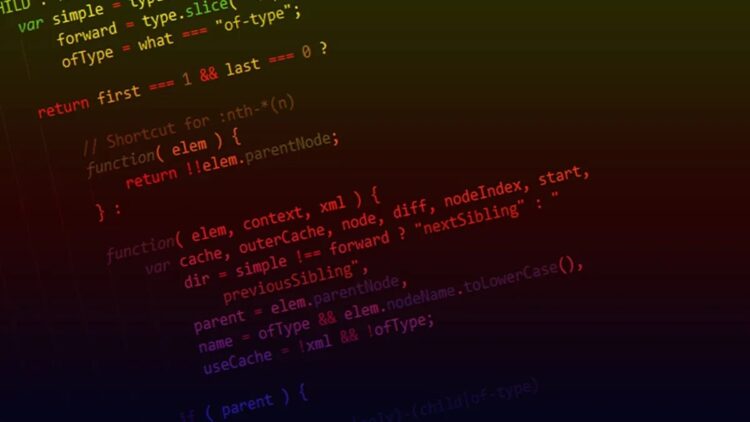
Threat actors can and do change their online identities as often as necessary to protect themselves. But there is one thing that is hard to change: individual coding style. A hacker’s coding style is like digital DNA that can be tracked once identified. Coding styles exist because hackers are creatures of habit. Once they develop certain coding habits, such habits are extremely hard to break.
Analysts can look at malicious code found in the wild or advertised on a dark web forum. The analysis concentrates on identifying highly specific, individualized coding habits that persist across multiple pieces of work. Those habits link code sets and historically known attacks, linking them to specific threat actors.
Threat Actor Profiling: A Good Investment
To be clear, threat actor profiling involves more than deciphering forum sentiment and looking at coding styles. The point being made here is that threat actor profiling is a good investment for virtually any cybersecurity team. It represents a fundamental shift in how security teams approach cyber defense.
Threat actor profiling is a proactive strategy. It seeks to learn as much about adversaries as possible, with the goal of stopping them before they can do significant damage. By being proactive and aggressive, security teams take the fight to their adversaries instead of waiting for the adversaries to come to them.