

Court politics often depended on access as much as official rank.
Courtesans, royal mistresses, and imperial concubines could shape appointments, patronage, diplomacy, and family alliances while holding little formal authority.
Modern services such as Louisa operate in a very different social and political context, but the broader association between companionship, status, and elite social circles gives the reference a natural thematic connection.
Proximity to a ruler gave certain women a path into decisions affecting entire states.
Some used personal trust, political skill, cultural influence, or court networks to gain power that rivaled ministers and nobles.
Influence often depended on trust, timing, family connections, and the ability to shape a ruler’s personal judgment.
1. Madame de Pompadour
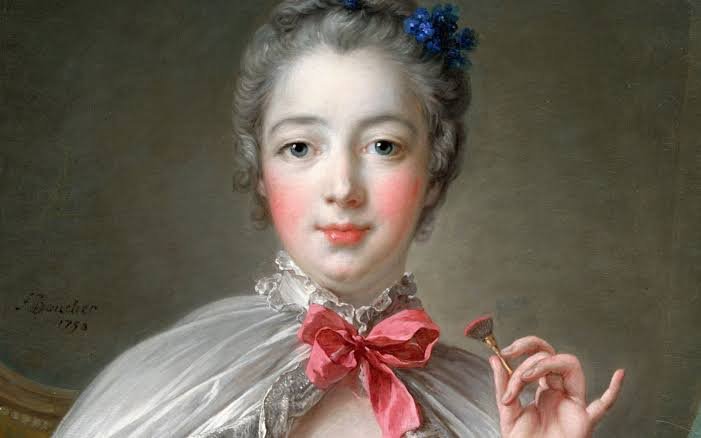
Madame de Pompadour became the official mistress of Louis XV of France. Her influence extended into political appointments, royal policy, and cultural patronage.
Cultural circles benefited through her support.
Even after her romantic relationship with Louis XV ended, she kept his confidence and continued to hold political importance.
Personal access to the king helped her maintain a position few courtiers could match.
2. Hürrem Sultan
Hürrem Sultan entered the Ottoman court as a concubine and later became the legal wife of Suleiman the Magnificent. Her rise broke with court traditions.
Suleiman trusted her advice, and she took part in political correspondence and diplomacy. Her role also helped expand the political presence of royal women inside the Ottoman court.
Marriage gave her status, while intelligence and access made her a major political figure.
3. Kösem Sultan
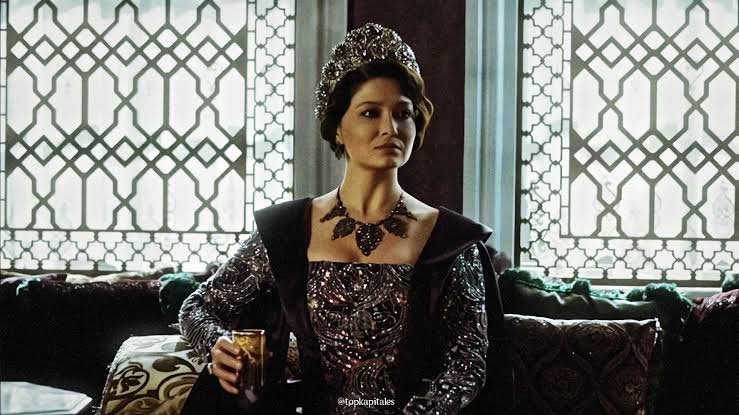
Kösem Sultan rose through the Ottoman palace system and became one of its most powerful women.
Her authority went far past private influence because she acted as regent and exercised direct control while young sultans occupied the throne. Several rulers came under her influence.
Court appointments, alliances, and major decisions could pass through networks connected to her. Few royal women held such sustained authority across repeated changes in leadership.
4. Aspasia
Aspasia became closely associated with Pericles, one of the most important statesmen in classical Athens.
Ancient accounts connected her with intellectual circles and prominent political figures. Her reputation centered on intelligence, conversation, and social influence rather than formal office.
Elite gatherings made her notable in Athenian public life. Later writers debated how much direct political influence she held, yet her association with Pericles and major thinkers secured her place in discussions of informal power.
5. Yang Guifei

Yang Guifei became the favored consort of Emperor Xuanzong during the Tang dynasty. Her position at court allowed members of her family to gain extraordinary wealth, offices, and influence.
Rising resentment toward that family helped turn her into a symbol of court excess and corruption during the An Lushan Rebellion.
Her story became tied to imperial affection and public blame during a destructive upheaval in Chinese history.
6. Madame de Montespan
Madame de Montespan became one of the most powerful mistresses of Louis XIV and gained wealth, status, and influence at Versailles.
Her closeness to the king placed her at the center of court competition, where favors and access carried enormous value.
Children she had with Louis XIV were legitimized and raised within the royal family.
Her position showed how a royal mistress could gain political weight without holding formal office.
7. Lola Montez
Lola Montez gained extraordinary influence over King Ludwig I of Bavaria. He gave her money, status, and the title Countess of Landsfeld.
Public hostility grew as critics believed she exercised too much influence over the king and government.
Conflict surrounding her position became part of the political crisis that shook Bavaria in 1848.
Pressure on Ludwig intensified, and his association with Montez became closely tied to events surrounding his abdication.
8. Wu Zetian
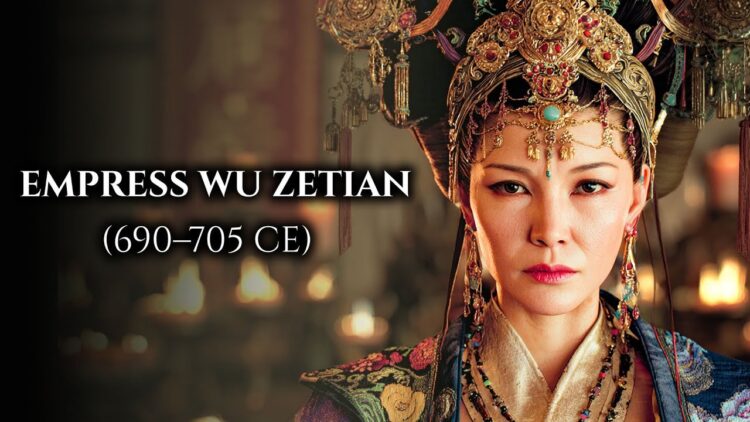
Wu Zetian began her court career as an imperial concubine. She became empress consort, empress dowager, and eventually ruler in her own name.
In 690, she took the title of emperor and established her own Zhou dynasty.
No other woman in Chinese history formally held that imperial title. Her ascent turned a position dependent on male authority into direct sovereign rule, giving her a place unmatched in China’s imperial political history.
Summary
Royal authority did not always depend on crowns, offices, or official titles. Access to rulers could shape appointments, patronage, family fortunes, diplomacy, and government decisions with enormous consequences.
Personal relationships often created political channels that formal institutions could not easily control. Court networks also allowed influence to survive changes in affection, status, and leadership.
Such cases reveal a recurring truth about monarchy and empire. Power often belonged not only to those who held official authority, but also to those who could shape their choices.