
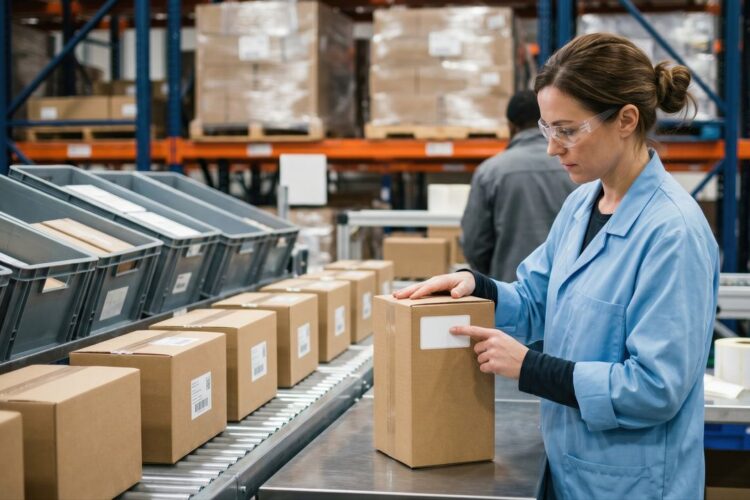
Warehouses used to run on clipboards and coffee. A guy named Steve would write down what came in. Another guy named Mike would guess what went out. Sometimes they were right. Usually they weren’t. Boxes vanished between the loading dock and store shelf like socks in a dryer.This mess cost businesses a fortune. Fresh produce rotted in forgotten truck trailers. Thieves grabbed whatever they wanted because nobody noticed for weeks. Store managers pulled their hair out staring at empty shelves while the products customers wanted collected dust three states away. Total disaster.
How Modern Tracking Changed the Game
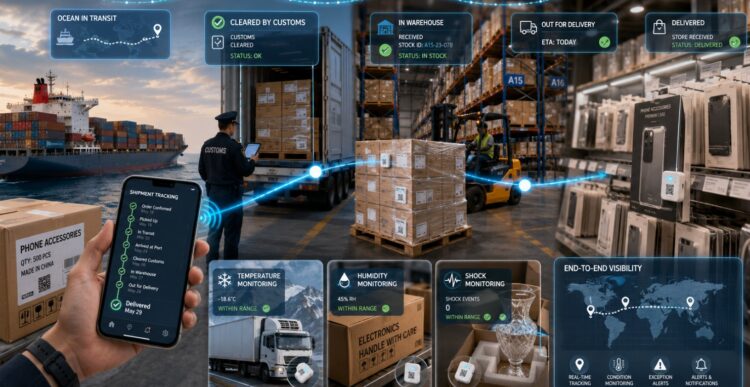
Businesses now track items to the exact shelf and bin. A package of phone cases leaves China. The system watches it board the cargo ship, cross the Pacific, clear customs, ride to the distribution center, and land at your local store. If that package takes a wrong turn, somebody’s phone starts buzzing.
Tiny electronic tags make this magic happen. Stick them on boxes, pallets, even individual products. They chirp their location constantly. Too cold in the freezer truck? The tag tattles. Shipment stuck in Phoenix for three days? Red flag pops up on someone’s screen.
But location is just the start. Smart tags measure everything. Frozen shrimp stay frozen. Electronics stay dry. That crystal vase surviving the journey? The shock sensor will tell you. Retailers even track which products grow roots on the shelf so they know what nobody wants to buy.
The Network That Makes It All Work
Millions of products chattering away need a way to phone home. That tag on a package bouncing through Nebraska needs to reach headquarters somehow. Same for the sensor in that shipping container floating past Hawaii. Connected retail devices solve this puzzle. Companies like Blues IoT built communication networks specifically for tracking products anywhere they roam. Their systems let businesses monitor shipments without building cell towers or stringing cables across the country. Small shops get the same tracking power as retail giants without selling their souls to afford it.
Everything runs itself once you flip the switch. Forget manual counts. Forget spreadsheets. Forget Dave in shipping who swears he logged that pallet but definitely didn’t. The machines handle the boring stuff while humans handle actual problems.
Real Benefits for Real Businesses
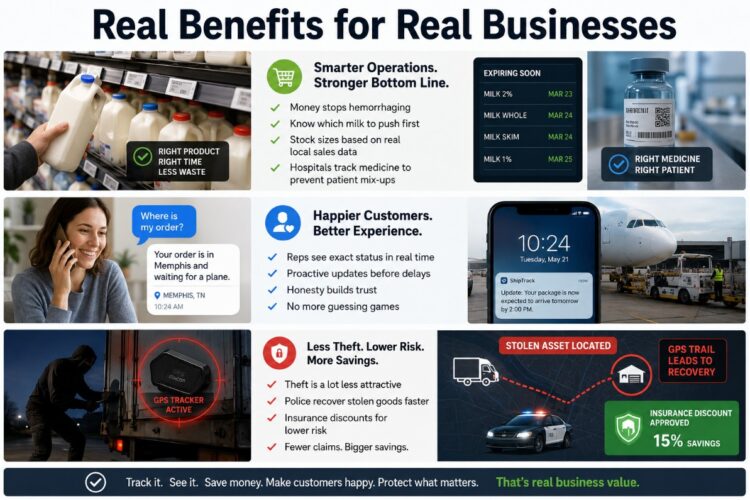
Money stops hemorrhaging once you see where it’s been leaking. Supermarkets quit throwing away expired milk because they know which cartons to push first. Stores stock sizes based on local sales data. Hospitals track medicine to prevent patient mix-ups.
Customers get happier too. Call about your order? The rep sees it sitting in Memphis waiting for a plane. Running late? You’ll get a text before you start wondering. No more “your package is somewhere between here and there.” People appreciate honesty, especially when things go sideways.
Theft practically disappears. Criminals are dumb. But they are not dumb enough to steal stuff that broadcasts its location to the cops. When they do steal anyway, police follow the GPS trail right to their garage. Insurance companies throw discounts at businesses with tracking because they rarely have to pay claims anymore.
Conclusion
Product tracking transformed from a paper nightmare into digital precision. Forward-thinking companies embraced this opportunity early. They left their rivals in a difficult position.They manage to throw away less, sell more, and receive fewer angry calls from customers. The technology gets cheaper every month. Even the corner store can track like a Fortune 500 company now. Any business still using clipboards and guesswork won’t survive much longer. The tools exist. The benefits are proven. The only question is who adapts fast enough to survive.